MrCool Fixed Line Set Sizes: 16, 25, 35, 50 ft—Which One Do I Pick?
Choosing the right fixed line set size for your mini split installation is more than measuring distance—it’s about balancing aesthetics, functionality, and DIY feasibility. With brands like MRCOOL, Zone Air, and Pioneer offering various options, and tools such as the Zone Air Build Your Own configurator and quick connect fittings gaining popularity, the decision-making process is richer—and more complex—than ever.
Understanding Line Sets: The Backbone of Mini Split Installation
Before diving into fixed line set sizes—16 ft, 25 ft, 35 ft, or 50 ft—you need to understand what a line set is and why it's so critical. The line set is the pair of copper refrigerant pipes that connect your indoor air handler to the outdoor condenser unit, usually accompanied by electrical wiring and a condensate drain line. Their length and installation quality affect:
- System efficiency and refrigerant charge
- Leak risk due to bending or poorly executed couplers
- Aesthetics of indoor and outdoor units, particularly where line hide is a concern
- Compliance with local codes and manufacturer warranty requirements
Fixed Line Set Lengths—What Does Each Mean?
Line Set Size Typical Usage Considerations 16 ft line set Close indoor/outdoor unit proximity Minimal refrigerant volume, easier line hide, fewer bends 25 ft line set Moderate distance with some flexibility in placement Still manageable line hide, may require more careful routing 35 ft line set Longer runs typical in basement-to-yard or detached garage setups Increased leak risk if bends/coiling not done properly, refrigerant charge consideration 50 ft line set Longest runs permitted with certain systems (always check specs) Challenging line routing, higher risk of leaks, possible need for extra refrigerantTrue DIY vs. Not-Really-DIY Mini Splits
One of the biggest marketing points of MRCOOL is their line of true DIY mini splits with factory-sealed line sets and quick knockoffdecor connect fittings. This setup skips refrigerant evacuation and pressure testing during installation, making the process more approachable for the average homeowner. However, it’s essential to distinguish "true DIY" from what I call "not-really-DIY.”
- True DIY: Line sets come pre-charged and sealed; no refrigerant handling needed on-site. MRCOOL DIY series epitomizes this, with fixed 16 ft or 25 ft line sets that snap together. Zone Air also offers build-your-own kits that encourage experimenting with lengths before purchase.
- Not-Really-DIY: Many other brands, including some models from Pioneer, require refrigerant line brazing, vacuum pumping, and pressure testing. These processes legally and practically require licensed HVAC tech involvement.
My pet peeve? People calling themselves DIY experts but glossing over the line set handling and coupler installation that legally requires technical skills and permits. Even with quick connect fittings, the indoor air handler placement and line routing need thoughtful planning—not just a plug-and-play approach.
Aesthetics and Placement: More Than an Afterthought
One aspect many DIYers overlook is how the line set impacts your room’s decor and curb appeal. When planning placement, consider:
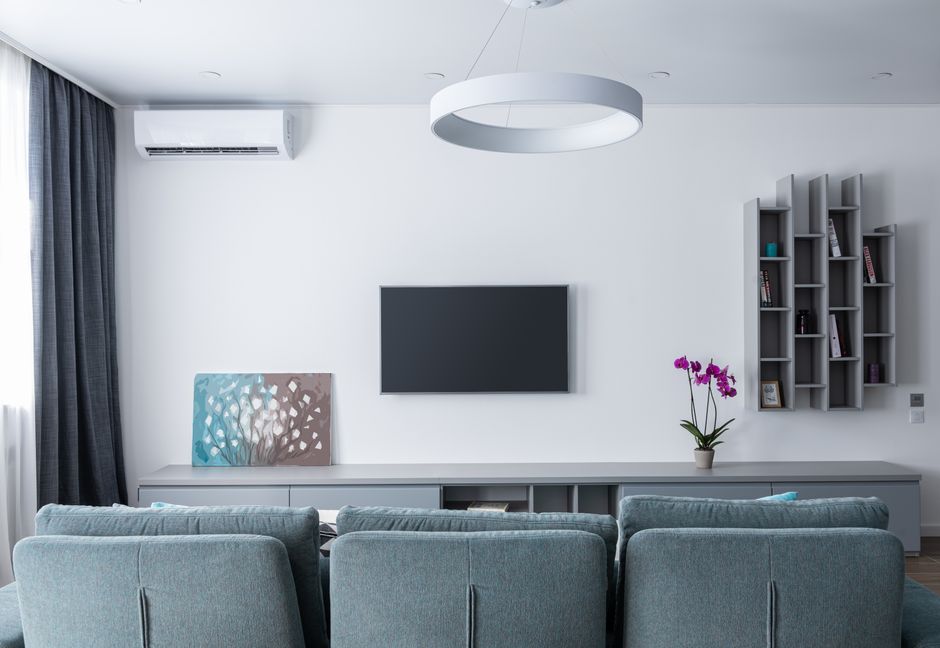
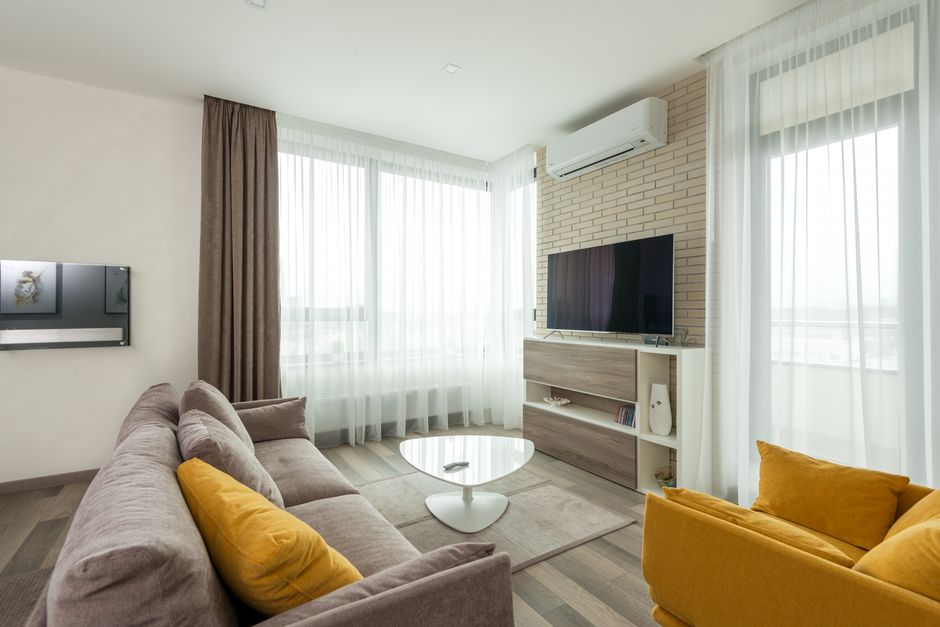
- Wall placement: I always suggest testing head placement with simple cardboard cutouts on your wall to visualize visual balance and ensure your gallery wall isn’t ruined by awkwardly positioned lines or bracket hardware.
- Line hide risk from patio: If your outdoor condenser and line set run face your patio or neighbor’s yard, the neatness of the line set wrap and concealment become a decor and social issue. Visible bulges or sloppy coiling on a 50 ft set can look like a tangled mess from outside, detracting from your home's charm.
- Mixing air handler types: Many homeowners want to mix wall-mounted units with ceiling cassettes or floor consoles on one outdoor condenser to match room aesthetics and airflow needs. Keep in mind the line sets might need different lengths and that longer lines/piping runs can complicate neat line hides.
Line Set Strategy & Leak Risk
Choosing line set length isn’t just a measurement game; it’s a strategy to minimize potential leak points. Here’s what I look out for when planning:
- Minimize excess length: Avoid unnecessary coiling unless required for expansion or slack. Excess line inside wall cavities or behind trim creates failure points.
- Use quality couplers and fittings: A poorly secured coupling on a 35 ft or 50 ft line set is a ticking leak time bomb. Quick connect fittings from MRCOOL are a revelation, but only if installed per instructions. Zone Air's Build Your Own tool lets you design lengths that sidestep the need for couplers.
- Professional pressure testing: Even if you DIY the install, I recommend hiring a licensed HVAC technician for pressure testing and refrigerant charging, particularly beyond 25 ft line sets.
Can You Mix Air Handlers on One Condenser?
Short answer: Yes, but with caveats. Many multi-zone mini splits from MRCOOL and Pioneer support mixing wall-mounted, cassette, and ceiling console units. However, line set lengths and refrigerant circuits differ per air handler type, so the choice of fixed line set length per branch is critical.
- Longer lines for ceiling cassettes in large rooms may require the 35 ft or 50 ft sets.
- Keep indoor units physically close where possible to allow shorter 16 ft or 25 ft lines, especially if you plan to use quick connect technology.
- Check system specs for max line length per zone and overall combined length limits to avoid warranty and performance pitfalls.
Using the Zone Air Build Your Own Tool to Select Your Line Set
If you’re stumped between 16 ft, 25 ft, 35 ft, or 50 ft line sets, Zone Air offers a fantastic Build Your Own line set configurator that lets you input your exact measurements and aesthetic preferences. This custom approach minimizes slack and couplers for a cleaner install—essential if you plan to DIY but want a professional-grade result.
Testing placement with cardboard cutouts and visualizing the line hide from potential angles (including your patio or front yard) should be a mandatory step. Trust me, nothing ruins a freshly painted plaster wall or a meticulously curated gallery wall faster than clumsy, visible line sets with uneven bulges or splices.
What Line Set Size Do I Pick?
Here’s my quick decision guide:
- Choose 16 ft line set when:
- Your indoor and outdoor units are installed close together (e.g., adjacent walls or basement exterior)
- You prioritize minimal line volume and clean line hide
- You want to optimize for MRCOOL’s true DIY quick connect systems
- Choose 25 ft line set when:
- Moderate distance requires extra routing without too much slack or slack concealment concerns
- You want some flexibility for indoor placement while maintaining line hide potential
- The Zone Air Build Your Own tool confirms a neat layout at this length
- Choose 35 ft or 50 ft line sets when:
- Longer runs are unavoidable, for example, when cooling a detached garage or distant upstairs room
- You’re okay hiring a licensed tech for refrigerant handling and pressure testing
- You plan carefully to minimize bending and coupling points and invest in professional installation quality
Final Thoughts: Balancing DIY Freedom, Look, and Longevity
Mini split line set selection should never be an afterthought. It’s easy to get caught up in the brand hype—MRCOOL’s quick connect fitting systems are fantastic for the true DIYer—but aesthetics and technical strategy also play starring roles. Using cardboard cutouts to test air handler placement, envisioning line hide from patios, and avoiding the gallery wall ruination trifecta ( uneven lines, visible couplers, and sloppy coiling) will save you headaches down the road.
Remember: even if you plan a step-by-step DIY with MRCOOL or Zone Air, certain installations (especially >25 ft line sets) legally require pressure testing by licensed HVAC pros. Always double-check your local code and manufacturer warranty terms.
Ultimately, the right fixed line set size for you hinges on careful measurements, practical routing, and mindful aesthetics to keep your home comfy, efficient, and beautiful.