Do I Need a Permit if the Dumpster Has to Sit on the Street?
If you’re planning a home renovation, construction, or large cleanout project in Hampton Roads or any Virginia city, you’ve likely considered renting a dumpster. But what happens if your driveway can’t accommodate it, and the dumpster has to sit on the street? This naturally raises important questions about street dumpster permits, city right of way rules, and protection for your property.

In this comprehensive post, I’ll share my 12 years of experience managing remodeling projects in Virginia Beach and Chesapeake to help you navigate complicated permit requirements, choose the right dumpster size, understand pricing transparency, and decide between local fleets and national brokers.
When Does a Street Dumpster Permit Become Necessary?
Most jurisdictions consider the public street a right of way, meaning it’s meant for vehicles, pedestrians, and emergency access. When a dumpster occupies part of the street, it temporarily interrupts standard usage. That’s why many cities in Hampton Roads require a street dumpster permit to legally place a dumpster on the roadway.
City Right of Way Rules Explained
Right of way rules vary by city but generally:
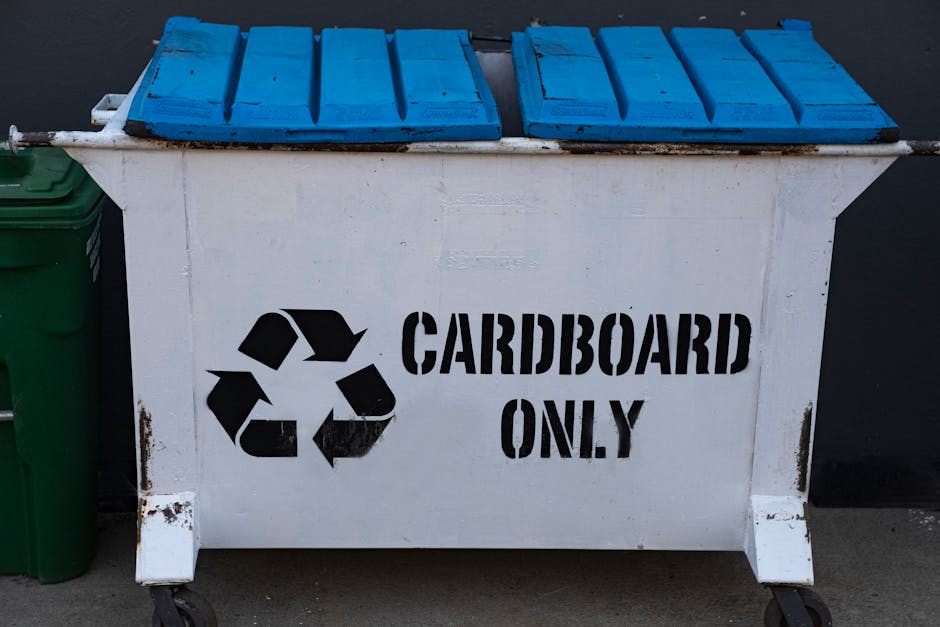
- Prohibit obstructions that reduce lane width below a certain threshold
- Require permits for any stationary object placed on a public street or sidewalk
- Specify hours of operation and duration limits for dumpster placement
- Mandate proper signage or safety cones around the dumpster to alert drivers and pedestrians
For example, if you live in Virginia Beach, anytime your dumpster extends beyond your property line and partially rests in the street or sidewalk, you will need to apply for a city-issued permit. This process helps protect your neighbors and city infrastructure while ensuring your project runs smoothly.
How to Get Permit Advice for Dumpster Rental
Getting a permit doesn’t have to be confusing. Follow these steps for reliable permit advice for dumpster rental:
- Contact your local city or county public works or transportation department. Their websites usually provide dumpster permit requirements and application forms.
- Consult your dumpster rental provider. Reputable local companies often assist with or even obtain the permit on your behalf as part of their service.
- Allow sufficient lead time. City approvals can take anywhere from a few days to a couple of weeks depending on your location.
- Be prepared to pay associated permit fees. These are typically modest but vary by jurisdiction.
Remember, failing to get the right permit could lead to fines or forced removal of the dumpster—interrupting your project.
Protecting Your Driveway When Placing a Dumpster
If by chance your dumpster must be placed in your driveway rather than on the street, or partially spans both, take precautions to protect your property. The weight of a dumpster plus heavy debris can damage asphalt or concrete surfaces.
Using Hardwood Boards for Driveway Protection
One of the best methods to minimize damage is to use thick hardwood boards under the dumpster’s wheels and weight distribution points. Hardwood boards stabilize the dumpster's legs and spread its weight over a larger area, reducing pressure and preventing indentations or cracks.
- Thickness: Use 2x6 or 2x8 hardwood planks, depending on dumpster size and estimated load.
- Quantity: Place at least four boards in the footprint area of each wheel or leg, oriented perpendicular to the weight direction.
- Access: Make sure the boards extend outside the dumpster edges slightly to protect surface edges.
- Consult your contractor or rental company for recommended materials.
Driveway protection can save you costly repairs after the dumpster is removed and helps maintain good neighbor relations.
Dumpster Sizing for Real Projects: Avoid Over- or Under-Sizing
Choosing the correct dumpster size is crucial. Too small and you’ll need multiple trips or rentals, increasing costs. Too large and you’re paying for unused space.
Common Dumpster Sizes and Typical Uses
Dumpster Size (Cubic Yards) Typical Project Estimated Capacity 10 Small cleanouts, minor renovations ~2 pickup truck loads 20 Medium remodels, larger cleanouts ~4 pickup truck loads 30 Whole house renovations, roofing tear-offs ~6 pickup truck loads 40 Major construction projects, additions ~8 pickup truck loadsDiscuss your project scope, materials, and debris type with dumpster rental professionals to get sizing recommendations tailored to your specific situation.
Flat-Rate Pricing and Fee Transparency: Know What You’re Paying For
One frequent complaint in dumpster rentals is unexpected fees and confusing billing. Your best protection is working with companies offering flat-rate pricing and fee transparency.
What Flat-Rate Pricing Includes
- Delivery and haul-away
- Permitting fees (if applicable and arranged by the company)
- Standard rental period (usually 7-10 days)
- Weight limit—some companies allow overage at a fixed per-ton rate
Ask clearly about what happens if your dumpster is overweight or if you keep it longer than expected. Some companies have strict penalties, others are more flexible.
Beware of Hidden Charges
- Fees for prohibited items like tires, appliances, or hazardous materials
- Additional charges for reroutes or rescheduling
- Emergency delivery fees
Proper communication and clear paperwork upfront will save you hassle and money.
Local Fleet vs. National Brokers: Which Should You Choose?
Another big decision is whether to rent from a local dumpster company or a national broker. Both have pros and cons:
Local Fleet Advantages
- Better knowledge of local permit rules: Local providers usually guide you through the permit process with Hampton Roads municipalities.
- Quicker delivery and pickup: Proximity reduces wait times and improves scheduling flexibility.
- Personalized customer service: Local companies often provide more hands-on, responsive service.
- Driveway and street-specific advice: They understand regional challenges like weight restrictions and high-traffic periods.
National Broker Characteristics
- Often more competitive base pricing due to volume discounts
- May subcontract to multiple local providers—potentially inconsistent service
- Less familiar with subtle local permit and road usage rules, risking delays
- Potential for confusing fee structures and communication difficulties
My recommendation is to prioritize trusted local providers who handle everything from delivery to permit procurement on-site. This approach reduces risks and ensures your dumpster placement https://www.risedumpsters.com/ is fully compliant.
Summary: Key Takeaways About Dumpster Placement on the Street
- Whenever your dumpster extends onto the street or sidewalk, consult your city about street dumpster permits—failure to get one can result in fines or removal.
- Use hardwood boards to protect your driveway if the dumpster sits partially on your property to avoid costly surface damage.
- Choose the correct dumpster size by matching it to your project’s volume and debris type. Oversized dumpsters raise costs; undersized cause delays.
- Demand flat-rate pricing and clear fee transparency upfront to avoid surprise charges.
- Work with a local dumpster rental fleet where possible to streamline permit processes, improve delivery timing, and get support tailored to Virginia Beach and Chesapeake regulations.
Understanding these factors ensures your dumpster rental goes smoothly, your project stays on budget, and your street usage remains legal and safe.
Need Help Renting a Dumpster in Hampton Roads?
If you’d like expert guidance or recommendations on reputable, local dumpster rental providers familiar with city right of way rules and permitting requirements, feel free to reach out. With over a decade managing remodeling logistics, I’m happy to connect you with trusted resources.